
Sharon Paterson, CEO, Infiniti Insurance
A single spark is all it takes. As climate change turns up the heat, the risk of fire to homes and businesses is on the rise. With the right advice, cover and preparation, property owners can manage their risk – and brokers are their first line of defence.
With climate-related disasters becoming more common every year, property owners must understand the risks their properties face and how to mitigate these risks. The unpredictable weather conditions, rising sea levels and wildfires are placing some properties that were previously low risk into high-risk zones, and in years to come, a substantial number of properties may be uninsurable.
The biggest challenge we are facing, as the insurance industry, is to strike a balance between charging a reasonable premium for the cover provided and underwriting risk so as not to prejudice existing clients, but not to sign up new clients in areas that are highly likely to be affected by claims and so prejudice our existing clients with rate increases.
Fire hazards
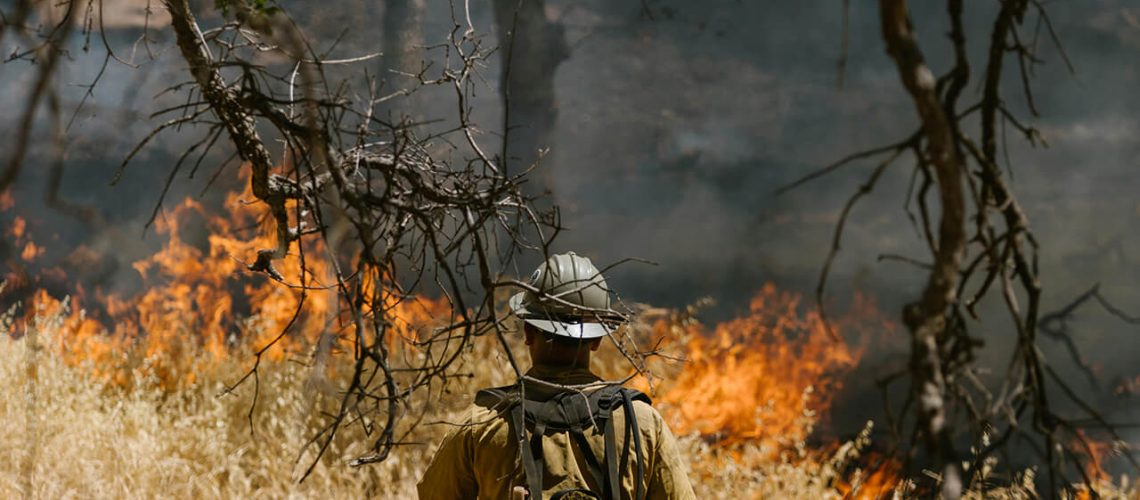
South Africa is no stranger to the emerging risk of wildfires. According to the Global Assessment Report (GAR) Risk Data Platform, the country averages more than 40 000 wildfires annually. In 2025 alone, 974 high-confidence fire alerts have been registered via NASA’s VIIRS satellite system. This figure, while in line with historical data, highlights the persistent nature of the risk we face this fire season.
Peak wildfire season in South Africa typically begins in early June and spans about 22 weeks. Between April 2021 and April 2025, more than 43 000 fire alerts were reported. The Western Cape has experienced the most extensive tree cover loss, averaging 4.68 thousand hectares a year since 2001.
The increasing number and severity of wildfires in Southern Africa are attributed largely to climate change. Warmer temperatures, prolonged droughts, reduced rainfall, and extended fire seasons are contributing to a higher frequency of catastrophic wildland fires. The devastating June 2017 Southern Cape wildfires remain a stark reminder of how destructive these events can be, leading to fatalities, economic loss, livestock deaths, and long-term environmental damage.
Mitigating the risk of fire
Despite these daunting risks, many property owners remain unaware of the practical steps they can take to protect their properties. It is the responsibility of brokers to educate clients who are not aware that there are preventative measures that they can put in place around their properties, often at little cost, to minimise the risk of wildfires damaging their homes.
Every business must have a fire insurance policy to protect the property, stock, office contents, plant and machinery, and other assets against damage from fire, explosion, or lightning. Claims can be rejected in circumstances where there was non-compliance with fire safety measures as required by the fire policy. For example, a lack of fire extinguishers or poor housekeeping and maintenance.
Clearing brush, maintaining defensible space around structures, and using fireproof materials on the buildings are some of the actions that can help to protect properties. This will further ease the burden on emergency services during wildfire outbreaks and reduce the risk of fires spreading across properties.
Insurance plays a vital role in climate resilience. However, homeowners must ensure they are adequately covered for weather-related losses. This is where the role of insurance brokers becomes indispensable. Brokers help clients understand the unique risks they face and assist in crafting policies tailored to their specific needs.
Clients often don’t fully understand the risks or the best ways to address them. This is where brokers become crucial – they educate clients, guide them to put protective measures in place, and ensure their coverage evolves with emerging threats. Brokers should proactively update clients on new risks and necessary policy adjustments to keep pace with the changing climate.
Similarly, they should update clients on the benefits available to them, such as Infiniti Insurance’s partnership with Fire-Ops SA, a professional fire and rescue company, to assist clients during emergencies. This value-added service provides rapid response to domestic fires and emergencies, potentially preventing large-scale losses and saving lives.
The reality of climate change is reshaping how we think about property and business ownership, insurance, and personal responsibility. By staying informed, working with knowledgeable brokers, and implementing preventative measures, homeowners and businesses can enhance the resilience of their properties against winter’s escalating threats.
Article first published in FIA